Tree Plantaion
Explore different tree types, growth patterns, and their importance in our ecosystem

Explore different tree types, growth patterns, and their importance in our ecosystem
Azadirachta indica
The Neem tree is known as "India's village pharmacy" due to its numerous medicinal properties. Every part of the tree has therapeutic value and is used in Ayurvedic medicine.
Ficus benghalensis
Known for its aerial roots that grow into thick woody trunks, the Banyan is considered sacred in India. It's one of the largest trees in the world by canopy coverage.

Mangifera indica
The mango tree is the national fruit tree of India. It produces delicious fruits and provides excellent shade. Different varieties fruit at different times of the year.

Delonix regia
Also known as the Flame Tree, Gulmohar produces stunning red-orange flowers in summer. It's widely planted as an ornamental tree across India for its vibrant blooms.

Tectona grandis
Teak is one of the world's most valuable timber trees, known for its durability, water resistance, and beautiful grain. It's extensively cultivated in plantations across India.

Cocos nucifera
The coconut tree is called the "Tree of Life" in tropical regions. Every part of the tree is useful - from the fruits for food and water to leaves for thatching and trunk for timber.
Understanding how trees grow from seed to maturity helps in proper plantation and care. Below are the key growth stages of a typical deciduous tree:
Week 1-4
Seed absorbs water, breaks dormancy, and sprouts root and shoot.
Month 1-6
First true leaves develop. Plant establishes root system.
Year 1-3
Rapid vertical growth. Develops stronger trunk and branches.
Year 3-10
Focus shifts to horizontal growth and canopy development.
Year 10+
Full size achieved. Begins flowering/fruiting regularly.
Most trees need 6+ hours of direct sunlight daily for optimal growth
Regular watering crucial in early years. Mature trees need deep, infrequent watering
Well-draining soil with proper nutrients and pH balance is essential
Temperature, humidity, and seasonal changes significantly impact growth rates
Compare different tree types to understand which might be suitable for your needs:
| Tree Type | Growth Rate | Water Needs | Maintenance | Best For | Special Features |
|---|---|---|---|---|---|
| Neem | Fast | Low | Low | Medicinal use, Shade | Drought resistant, Pest repellent |
| Banyan | Slow-Medium | Medium | Medium | Large spaces, Parks | Huge canopy, Long lifespan |
| Mango | Medium | Medium | Medium-High | Fruit, Gardens | Seasonal fruit, Good shade |
| Gulmohar | Fast | Low-Medium | Low | Ornamental, Streets | Beautiful flowers, Fast growth |
| Teak | Slow | Medium | Low | Timber, Large areas | Valuable wood, Long-term |
| Coconut | Slow | High | Medium | Coastal areas, Fruit | Multiple uses, Salt tolerant |
Follow this comprehensive timeline guide to successfully plant and nurture a tree from selection to maturity
Choose a tree species suitable for your climate, soil type, and available space. Consider the tree's mature size, growth rate, and purpose (shade, fruit, ornamental).
Find a spot with adequate space for the tree's roots and canopy to grow without interfering with buildings, power lines, or other trees.

Dig a hole 2-3 times wider than the root ball but no deeper than the root ball's height. Roughen the sides of the hole to help roots penetrate the surrounding soil.
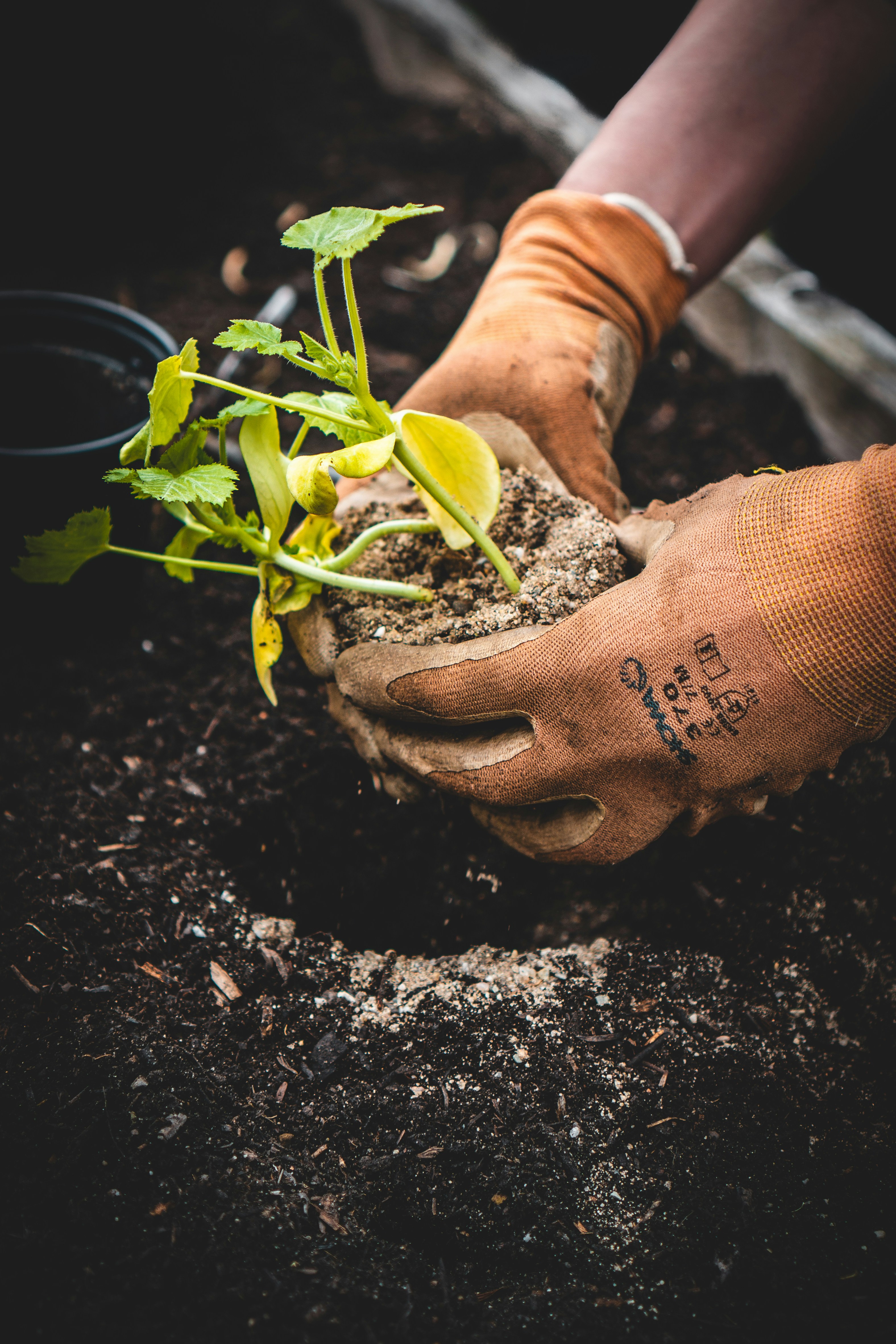
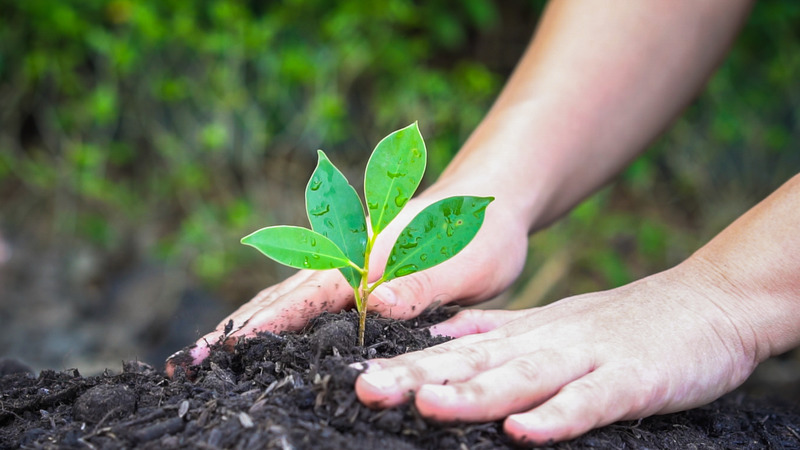
Gently place the tree in the hole, ensuring the root flare (where roots meet trunk) is level with or slightly above ground. Backfill with soil, tamping gently to remove air pockets.

Water thoroughly after planting. Apply 2-4 inches of organic mulch around the tree (keeping away from trunk) to retain moisture and suppress weeds.
Remove only dead, damaged, or diseased branches initially. Stake only if necessary (in windy areas) and remove stakes after 1-2 years.

Monitor for pests and diseases. Fertilize if needed based on soil tests. Continue proper watering during droughts. Enjoy watching your tree grow!